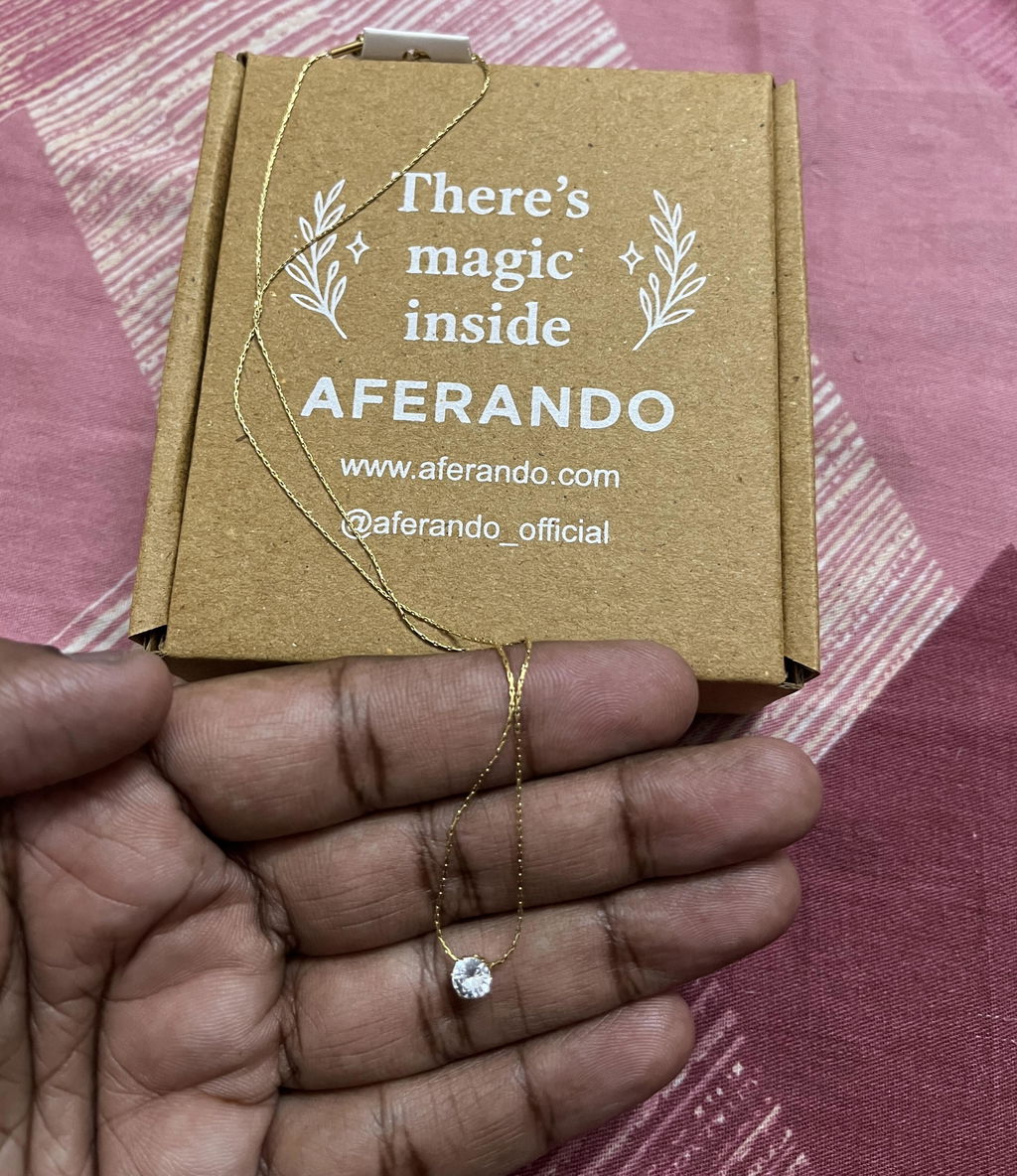
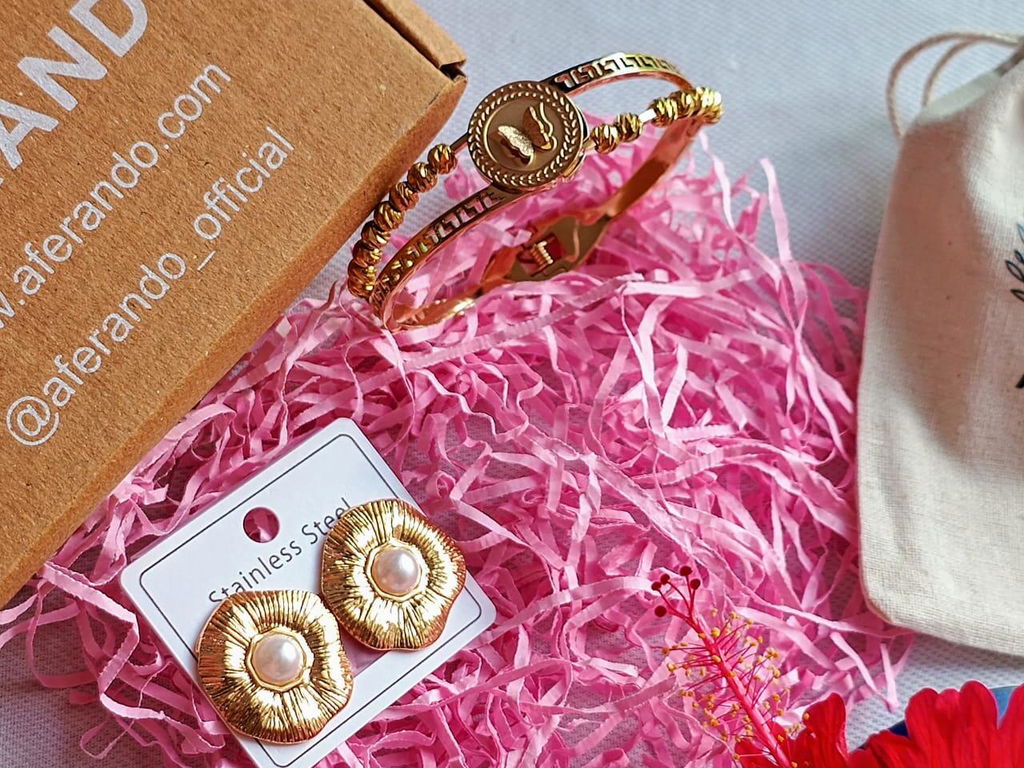
Anti-tarnish bracelets and bangles for women in 18K gold plated stainless steel — stackable everyday pieces designed not to turn your wrist green.
Every bracelet and bangle in this collection is 18K gold plated over stainless steel, so the gold finish stays bright through daily wear at work, college and weekends. Choose from anti-tarnish bangles, cuffs, chain bracelets and charm bracelets, all in the same warm gold tone and easy to stack together.
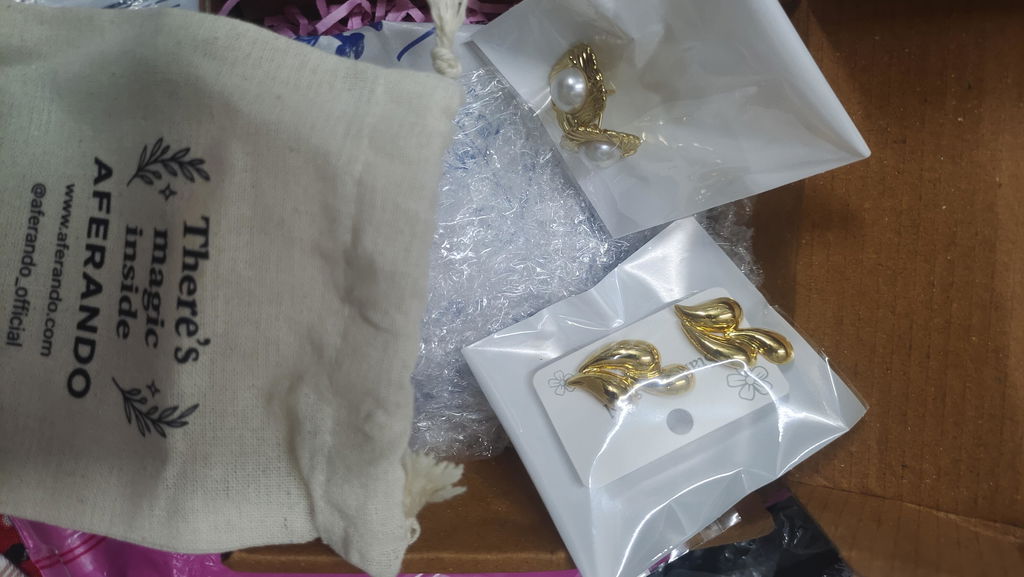
Every order ships from Bengaluru within 1–2 working days and is quality checked three times before it leaves.
Anti-tarnish gold bracelets and bangles in stainless steel
Aferando's anti-tarnish bracelets and bangles are made of 304 stainless steel with 18K gold plating. Stainless steel resists rust and discolouration and will not turn skin green, and the gold plating gives the rich gold finish.
Bangles or bracelets: what is the difference?
Bangles are rigid and hold their shape. They slip over the hand, open on a hinge, or sit on the wrist as an open cuff, and they give a clean, polished look. Bracelets are flexible, usually a chain with a clasp, and follow the movement of the wrist. Both stack beautifully together.
How to choose an anti-tarnish bracelet or bangle
-
Anti-tarnish bangles — rigid gold bangles for a sleek everyday look, alone or in a stack.
-
Anti-tarnish cuff bracelets — open cuffs that slide on from the side and suit a range of wrist sizes.
-
Anti-tarnish chain bracelets — flexible chains with a clasp, comfortable for all-day wear.
-
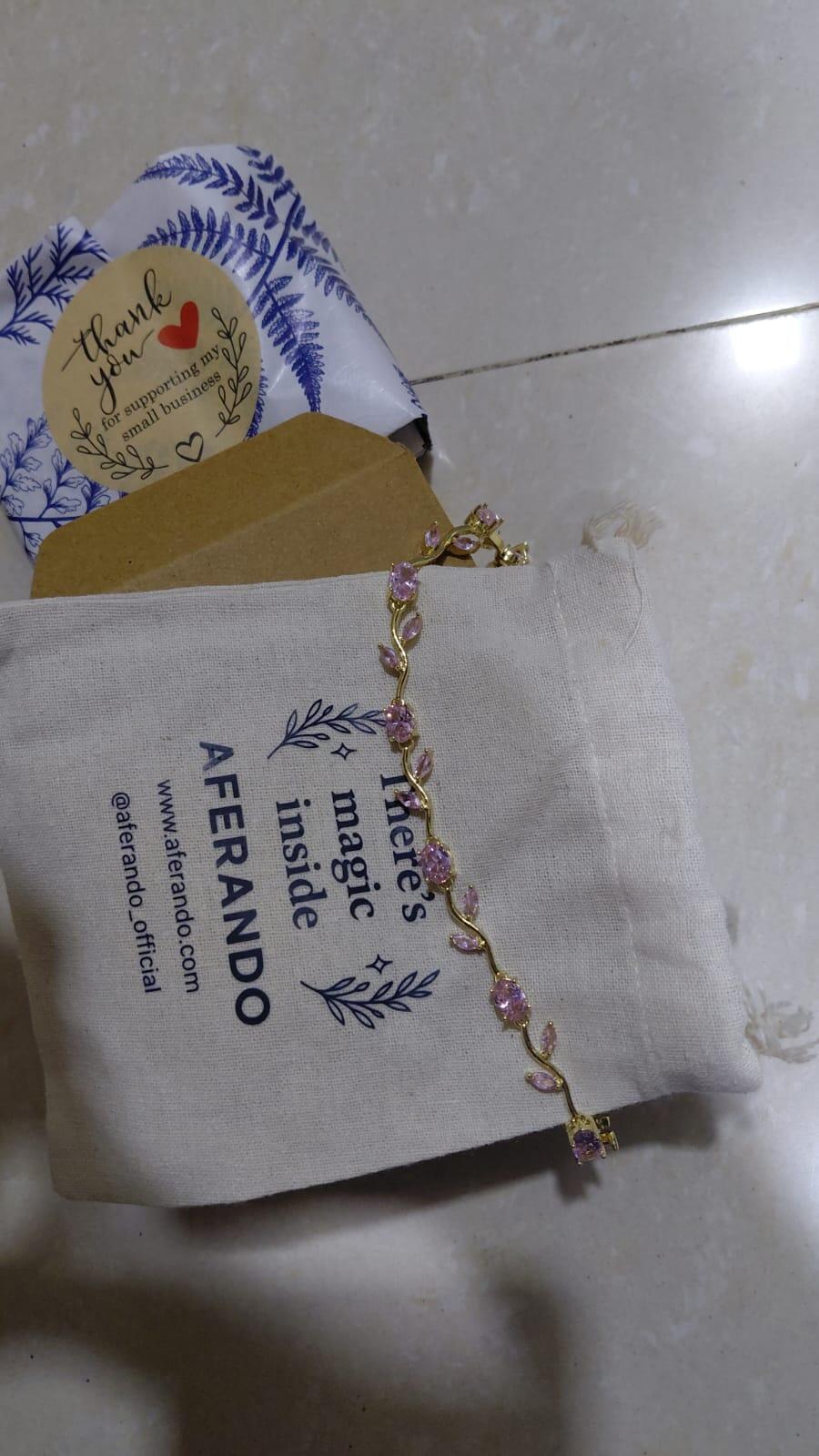
Charm and stone bracelets — bracelets with crystals, flowers or charms, including our popular tulip bracelets.
How to stack bracelets and bangles
- Pair one bold piece with one delicate piece for an easy, balanced stack.
- Mix textures: one smooth bangle, one chain, one with stones or charms.
- Two or three pieces on one wrist usually looks best.
- Wear the plainest piece closest to your hand.
Every piece in the anti-tarnish range shares the same 18K gold tone, so bracelets and bangles pair easily with our anti-tarnish earrings, necklaces and rings.
Bracelets for gifting
Chain bracelets and open cuffs are easy gifts because they fit most wrists without exact sizing. Orders above ₹999 ship free and include a free gift.
How to care for anti-tarnish bracelets and bangles
- Take them off before bathing, swimming, the gym or sleeping.
- Apply perfume and lotion first, and put your bracelets on last.
- Wipe gently with a soft, dry cloth after wearing.
- Store each piece separately in a dry pouch so they do not scratch each other.
Frequently asked questions
What are Aferando's anti-tarnish bracelets and bangles made of?
Aferando's anti-tarnish bracelets and bangles are made of 304 stainless steel with 18K gold plating. The same material is used across the full anti-tarnish range of earrings, necklaces and rings.
Will an anti-tarnish bracelet turn my wrist green?
No. Aferando's anti-tarnish bracelets and bangles are made of stainless steel with 18K gold plating, and they are designed not to turn skin green or go dark with everyday wear.
What is the difference between a bangle and a bracelet?
A bangle is rigid and holds its shape; it slips over the hand, opens on a hinge, or sits on the wrist as an open cuff. A bracelet is flexible, usually a chain with a clasp, and follows the wrist. Bangles give a sleek, polished look, while bracelets are more forgiving to fit.
How do I choose the right size bangle?
Open cuffs and chain bracelets fit a wide range of wrists. For rigid slip-on bangles, compare the size on the product page with a bangle you already own that fits comfortably over your hand.
How do I stack bracelets without it looking cluttered?
Pair one bold piece with one delicate piece, mix textures such as a smooth bangle with a chain, and keep to two or three pieces on one wrist. Placing the plainest piece closest to your hand keeps the stack neat.
Can I wear anti-tarnish bracelets every day?
Yes. Aferando's anti-tarnish bracelets and bangles are made for daily wear. Taking them off before bathing, swimming, the gym or sleeping helps the 18K gold plating keep its shine for longer.
Are Aferando bracelets real gold?
Aferando bracelets and bangles are 18K gold plated over stainless steel, not solid gold. They give the look of gold jewellery at an affordable price and are made for everyday wear.
How fast does Aferando ship, and how can I pay?
Aferando dispatches orders from Bengaluru within 1–2 working days and delivers across India. Payment is prepaid through Razorpay by UPI, card or net banking; cash on delivery is not available. Orders above ₹999 get free shipping and a free gift.
Aferando has offered affordable gold-plated jewellery from Bengaluru since 2018 and is trusted by more than 7,400 customers. Thank you for shopping with us — explore our full anti-tarnish jewellery collection.