Jhumka Earrings Online — Meenakari, Kundan & Chandbali for Weddings
Handcrafted jhumkas, from ₹249, in the colours nobody else stocks.
The jhumka is the one earring shape that never goes out of style in India — and the one most often bought badly. Machine-stamped versions with printed enamel look right in a photograph and flat in daylight. The difference is whether the colour was painted by hand.
Meenakari is the craft of fusing coloured enamel onto metal by hand. It came to India through Persia, settled in Rajasthan, and has passed down through families of artisans since. Each piece is painted individually — which is why the colour has depth that printed finishes never manage, and why no two pairs come out identical.
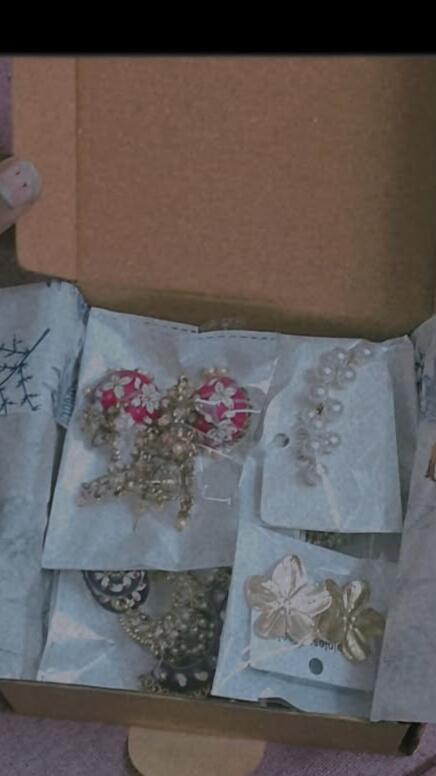
This collection is jhumkas and chandbalis in rani pink, blue, yellow, peach, grey, orange, black and gold, with kundan stones and pearl detailing. Temple, antique and oxidised styles alongside the enamel work. Sized from everyday to full statement.
The honest part about the material
These are gold-plated alloy — copper, brass and zinc — not stainless steel. That isn't a shortcut, it's a requirement. Hand-painted enamel and kundan setting can't be done on steel; it's too hard to work at this level of detail. The craft and the metal come together.
The trade is care. Alloy needs to stay dry and be stored properly, and it isn't built for daily wear the way our anti-tarnish range is. Treated as occasion jewellery — worn to functions, wiped down, put away in a pouch — these hold their finish for years. Worn every day in sweat and humidity, they won't.
If you want earrings for genuine daily wear, the anti-tarnish stainless steel range is what that's built for. This range is for the occasions.
What's in the collection
-
Meenakari jhumkas — the classic bell shape with hand-painted enamel and pearl fringing
-
Chandbali earrings — the crescent-moon silhouette, in single, double and triple tiers
-
Temple and antique styles — oxidised and matte gold finishes with traditional motifs
-
Kundan statement pieces — larger scale, built light for their size
- Colours across rani pink, blue, yellow, peach, orange, grey, black and gold
- From ₹249 · Ships in 1–2 days across India
Choosing by colour, not by outfit
The most common mistake in ethnic jewellery is matching the earring to the saree. Rani pink earrings with a rani pink saree, blue with blue. It almost always reads as accidental rather than styled.
Colour works hardest as contrast. Rani pink against cream or ivory becomes the only colour in the look, and both the earring and the saree lift. Yellow against navy or deep green does the same. Blue against mustard, white or beige. The rule is simple: pick a colour that isn't already in the outfit.
If you want one pair that goes with the widest range of clothing, choose gold or antique gold — they sit with everything. If you want one pair that gets noticed, choose the colour your wardrobe doesn't already have.
How to wear statement jhumkas
Keep the neckline bare, or wear a single thin chain. Large jhumkas and a heavy necklace compete for the same attention, and the look ends up cluttered rather than rich. If the blouse feels bare without something, a plain gold chain is enough.
Wear your hair up, or at least off the ears. The whole point of a jhumka is movement — it's lost under loose hair.
For weight: if you have sensitive earlobes, a small clear plastic disc behind the earring back spreads the load and makes a long function considerably more comfortable. It's the single most useful thing to know about wearing heavy earrings.
Care — please read this one
Handcrafted alloy needs more care than everyday jewellery, and the enamel is more sensitive to chemicals than to knocks.
- Keep away from water, perfume, lotion and sweat entirely
- Put jewellery on last, after makeup and perfume have dried
- Wipe gently with a soft dry cloth after each wear
- Store in a dry airtight pouch, not loose in a box
Frequently asked questions
What is meenakari work?
Meenakari is the traditional Indian craft of fusing coloured enamel onto metal by hand. The technique reached India through Persia and became closely associated with Jaipur and Rajasthan, where it is still practised by families of artisans. Each piece is painted individually, which gives the colour a depth that printed or machine-set finishes don't have, and means no two pieces are perfectly identical. It is usually combined with kundan — stones set into gold-toned metal — as it is throughout this collection.
What's the difference between a jhumka and a chandbali?
A jhumka is the bell or dome-shaped earring, usually with a fringe of pearls or beads around the rim. A chandbali is crescent-shaped — the name comes from chand, meaning moon — and is typically flatter and wider, often built in tiers. Jhumkas read as slightly more everyday; chandbalis as more formal. Both are traditional across North and West India and both suit sarees, lehengas and kurta sets.
Are these anti-tarnish like your other jewellery?
No, and it's worth being clear. The anti-tarnish range is 18K gold plated over 304 stainless steel and is built for daily wear. This collection is handcrafted gold-plated alloy, which is what makes the meenakari enamel and kundan work possible — that craftsmanship cannot be produced on steel. These need to stay dry and be stored properly, and they're best treated as occasion jewellery. For genuine everyday earrings, choose from the anti-tarnish range instead.
Which colour jhumka should I choose?
Choose gold or antique gold if you want one pair that works with everything — they're the safest across a full wardrobe. Choose rani pink if you wear a lot of cream, ivory and white, since deep pink against neutrals is the strongest contrast in the range. Choose blue or grey if your wardrobe leans warm — mustard, rust, beige. Choose yellow or peach for daytime functions, where softer colours photograph better than deep ones. The rule that matters more than any of these: don't match the earring to a colour already in the outfit.
Are jhumkas heavy to wear for a full function?
Weight is the usual complaint, and it comes from solid metal rather than size — a large hollow jhumka can be lighter than a small solid one. The pieces in this collection are built light for their scale, which is what makes them wearable through a long event. If you have sensitive earlobes, a small clear plastic disc behind the earring back spreads the weight and helps considerably.
What jewellery goes with a cotton saree?
Antique gold, oxidised finishes and pearl work suit cotton best, because matte textures complement the fabric rather than competing with it. Bright polished gold and heavy stone-work tend to look out of place against cotton. Keep the weight down too — cotton drapes softly and a heavy set pulls the pleats out of shape. Meenakari jhumkas work particularly well with cotton because the colour does the work rather than the shine.
Will the enamel colour fade?
Not with proper care. Meenakari enamel is far more sensitive to chemicals than to handling — perfume, hairspray, lotion and cleaning products are what dull it, not everyday knocks. Put jewellery on last after everything else has dried, keep it away from water, and store it in a dry pouch rather than loose in a box. Handled that way the colour holds for years of occasion wear.
What necklace goes with statement jhumkas?
Ideally none. Large jhumkas and chandbalis work best against a bare neckline or a single thin chain — a heavy necklace and heavy earrings compete for the same attention and neither wins. If the neckline feels bare, a plain gold chain is enough. The exception is a full bridal look, where the set is designed to be worn together.
How much do handcrafted meenakari jhumkas cost in India?
Machine-made imitation jhumkas start near ₹150, but the enamel on those is usually printed rather than hand-painted. Genuinely handcrafted meenakari with kundan and pearl work typically runs ₹250 to ₹1,500 from Indian sellers, rising well beyond that for silver bases. This collection runs from ₹249 to ₹799 in gold-plated alloy, handcrafted by Indian artisans.
Are jhumkas a good gift?
They're one of the easier ethnic gifts — no sizing to guess, worn across every age group, and handcrafted meenakari looks considerably more expensive than it costs. Gold and antique gold are the safest choices if you don't know her wardrobe. The one thing to check is whether she has pierced ears, and whether she wears large earrings at all — some people find anything past a stud uncomfortable.